south-eastern anatolia
Day 1 — Nemrut at Sunset
Our journey began in Kahramanmaraş. From there we reached our hotel by bus and headed straight into one of Turkey’s harshest but most breathtaking landscapes.
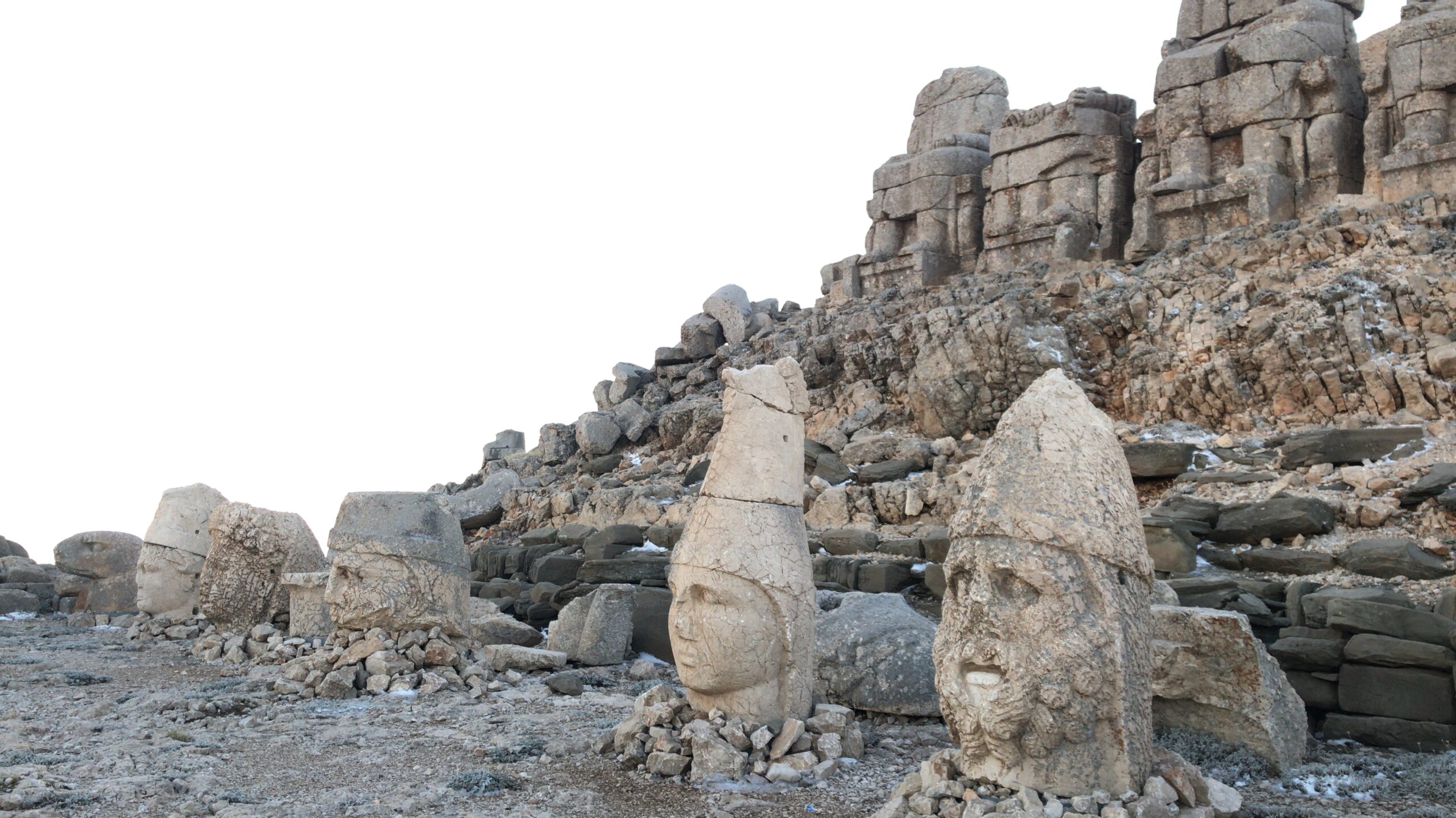
On the way to Mount Nemrut, we passed the Eagle Statues and the ancient Cendere Bridge before climbing the mountain under difficult terrain conditions. The sunset at the summit was unforgettable — silent, monumental and humbling.
This is not a place you “drive to”. Nemrut demands effort. Coming with a tour is not comfort — it is survival.
Day 2 — Diyarbakır & Mardin
We viewed the Atatürk Dam from above and continued toward Diyarbakır.
Here we explored the Cahit Sıtkı Tarancı Museum House and the Great Mosque, both reflecting Andalusian-influenced stone architecture that dominates the city. The chandeliers of the mosque were unexpectedly elegant — my favorite detail of the day.
I climbed the ancient city walls alone and barely caught the departing bus. On our way out, we stopped in a green garden area that revealed a softer side of Diyarbakır.
We ended the day at Deyrulzafaran Monastery, learning about Syriac rituals and examining the solar worship chamber before heading to our hotel outside Mardin.
Day 3 — Hasankeyf & Midyat
We were among the last visitors to see Hasankeyf before it was submerged by dam waters.
After visiting the relocated mausoleum, I rushed alone through cave dwellings carved into the rock — similar to Cappadocia, but more fragile, more doomed.
In Midyat, we visited the Sıla Mansion and ate traditional tandır at the famous Çağdaş Restaurant.
Back in Mardin, we explored the museum, admired the famous bird mosaic, Cybele statues, ancient coins and traditional garments.
The leaning minaret area was alive with children posing tourists for Pisa-style photos — history mixed with street life. Coffee at Artukbey ended the day.
Day 4 — Harran & Urfa
We visited Kasımiye Madrasa and its symbolic “Fountain of Life”.
Due to restoration, Göbeklitepe was postponed, so we headed to Harran — often considered the world’s first university. The beehive-shaped mud houses and active archaeological work made the site feel alive rather than frozen in time.
In Şanlıurfa, we saw Balıklıgöl and the nearby mosque built during the Süleyman Demirel era. After shopping for pistachios and chili flakes, we attended a sıra night — culturally rich, even if the çiğ köfte failed to impress.
Day 5 — Göbeklitepe & Halfeti
We finally visited Göbeklitepe — the site that rewrote human history.
Although restoration limited visibility, the significance was overwhelming. The modern museum funded by Doğuş Group, its time tunnel and documentary screening, were exceptional.
After the Şanlıurfa Museum and in-situ mosaic halls, we joined a boat tour in Halfeti. We saw the half-submerged mosque minaret, filming locations from famous Turkish movies, the breeding center for endangered bald ibises, and the iconic bridge known from cinema history.
Evening ended in Gaziantep, with tea in a cave café and coffee at Tahmis.
Day 6 — Gaziantep
We visited the Zeugma Mosaic Museum — enormous, meticulous, and powerful.
The Gypsy Girl Mosaic has its own chamber, and recently repatriated mosaics from the USA have completed its story.
Lunch was beyran and katmer at Metanet Restaurant, followed by a final journey toward Adana — closing one of the densest historical routes in the country.